
"Arabian wine"
600 article(s) found

Coffee Culture-Arabian Coffee Culture
When Europeans first came into contact with coffee, they called the seductive drink "Arabian wine".
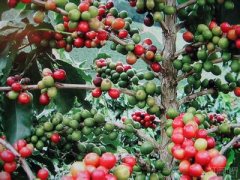
Yemeni coffee beans from 12 famous high-quality coffee producing areas
Before the 6th century AD, Yemen was called Arabia, so coffee trees shipped from Yemen to other places were also called Arabian coffee trees. But the origin of these trees is Ethiopia. Yemen is the first country in the world to produce coffee on a large scale as a crop. Today, coffee farmers in Yemen still use the same method to produce coffee as they did 500 years ago.

Boutique coffee recommends Ethiopian Harald coffee
Harald coffee is characterized by high-quality Arabian flavor, dry aroma with slightly sour wine, suitable mellow, strong purity and wonderful dark chocolate aftertaste. Essex is the first country in the world to grow coffee and maintain the oldest coffee culture. It still maintains a very traditional and ancient coffee growing process. Ethiopia latitudes 6 to 9 degrees north. Longitude 34 to 40 east

How do people drink coffee in coffee cultures around the world
Editor's note: now it is much easier for people to drink coffee than before, either go to a coffee shop or make their own coffee beans, so how did people drink coffee when coffee first originated? The ancient Arabian coffee culture when Europeans first came into contact with coffee, they called this seductive drink Arabian wine, when conservative Catholics cursed coffee as the devil's Satan.

Understand Arabica Coffee how to make Arabica Coffee Culture
Professional coffee knowledge exchange more coffee bean information please follow the coffee workshop (Wechat official account cafe_style) Arabian coffee history: the origin of coffee legend came from the shepherds of Ethiopia, and then spread to the Arab countries, but according to historical data about the eighth century AD the leaves of the Arabian Peninsula and Ethiopia across the Red Sea have a record of trade, and at this time there are also records of trade in Yemen.
Coffee producing areas in Yemen
Before the 6th century AD, Yemen was called Arabia, so coffee trees shipped from Yemen to other places were also called Arabian coffee trees.

Does the coffee machine have to be cleaned every day?
Yemeni editor Yemeni mocha coffee once blew a whirlwind of mocha around the world, but unfortunately the good times were not very good. Under the political turmoil and unplanned planting, the production of mocha was very unstable. Having said that, mocha is still the soul of matching other coffee beans or mixed coffee beans. Peruvian editor's up-and-coming Peruvian coffee is gradually
Global coffee producing area-Yemen
Before the 6th century AD, Yemen was called Arabia, so coffee trees shipped from Yemen to other places were also called Arabian coffee trees.

How people drink Coffee in Coffee Culture around the World (2)
Editor's note: now it is much easier for people to drink coffee than before, either go to a coffee shop or make their own coffee beans, so how did people drink coffee when coffee first originated? The ancient Arabian coffee culture when Europeans first came into contact with coffee, they called this seductive drink Arabian wine, when conservative Catholics cursed coffee as the devil's Satan.

The unique flavor of natural sun-tanned Yemeni coffee describes what real Yemeni coffee tastes like.
Professional coffee knowledge exchange more coffee bean information Please follow the coffee workshop (official Wechat account cafe_style) although the trend of boutique is the revival of "technology replacing machinery", the market is still inseparable from the supply and demand.

The basic knowledge of boutique coffee culture the ancient Arabian coffee culture
When Europeans first came into contact with coffee, they called the seductive drink Arabian wine, and when conservative Catholics cursed coffee as the devil's drink, they never thought of what a precious thing they inherited from the pagans. As the first region in the world to drink and produce coffee, Arab coffee culture is like it.

Yemeni Coffee Features and Markets of Yemeni Coffee
Yemen was known as Arabia until the 6th century AD, so coffee trees transported from Yemen to other places were also called Arabic coffee trees. But the origin of these trees is Ethiopia. Yemen was the first country in the world to produce coffee on a large scale as an agricultural crop. Yemeni coffee farmers still produce coffee the same way they did 500 years ago.

The most unique, rich and fascinating complex smell in the world the characteristic flavor and taste of Yemeni coffee
Professional coffee knowledge exchange more coffee bean information Please follow the coffee workshop (official Wechat account cafe_style) although the trend of boutique is the revival of "technology replacing machinery", the market is still inseparable from the supply and demand.

High Quality Yemen Coffee Origin: Yemen's Most Expensive Coffee Bean Mocha Coffee Bean Flavor Features
Professional coffee knowledge exchange More coffee bean information Please pay attention to coffee workshop (Weixin Official Accounts cafe_style) Although the wave of fine products is the revival of "craft replacing machinery," the dominant supply and demand are still inseparable from the market

Mocha matari is produced in the northern part of Yemen and has a strong sour taste.
Although Yemen is located in the Middle East with the Arabian Peninsula, it can actually be said that it is almost closely connected to the African continent located opposite the Red Sea. This geographical contiguity is also illustrated by the way Ethiopian coffee travels through Yemen. Ethiopian coffee processed naturally is still known as mocha. As for coffee exports, due to the complexity of the circulation process,

The origin and difference of all kinds of coffee hand coffee grinder
● Angola, the fourth largest coffee industry in the world, produces only a small amount of Arabica coffee, which is of high quality, but unfortunately, its annual output is extremely unstable due to its political unrest. The hometown of ● Ethiopian Arabica coffee, growing up at high latitudes, needs a lot of manual care. This is the famous Esopiamoka, it has
Coffee culture Arabs pay great attention to the etiquette and procedure of drinking coffee
When Europeans first came into contact with coffee, they called the seductive drink Arabian wine, and when conservative Catholics cursed coffee as the devil's drink, they never thought of what a precious thing they inherited from the pagans. As the first region in the world to drink and produce coffee, Arab coffee culture is like it.

Unique Yemeni Coffee beans Fine Coffee of Arabian Peninsula on the Asian continent of Yemen
Yemeni (Yemen) aroma 4, brightness 4, mellow, 3 flavors, 4.5 aftertaste, 5 points suitable for baking: City/Full city from city to full city is suitable, light baking will highlight the western flavor and spice, while deeper baking will make dark chocolate and smoky taste obvious, at the same time, the taste will be more intense. It should be noted that because the beans are relatively small, plus the size of the particles is quite large.

The oldest coffee: a brief introduction to the flavor, taste and aroma characteristics of Yemeni mocha coffee
A long time ago, Ethiopians ruled what is now Yemen and transplanted coffee to Yemen. later, Arabs ruled the entire Arabian Peninsula, and Yemen was also among them. Natural energy coffee also became an Arab drink. In order to monopolize the product of coffee, the export of coffee beans had to be ironed so that they could not sprout. At that time, the port of coffee export was the port of Mocha.

Yemen is located in the Asian continent of the Arabian Peninsula African coffee flavor single product
Yemeni (Yemen) aroma 4, brightness 4, mellow, 3 flavors, 4.5 aftertaste, 5 points suitable for baking: City/Full city from city to full city is suitable, light baking will highlight the western flavor and spice, while deeper baking will make dark chocolate and smoky taste obvious, at the same time, the taste will be more intense. It should be noted that because the beans are relatively small, plus the size of the particles is quite large.